Toasters are one of those kitchen appliances most people never think about. You put bread in, push the lever down, and a minute later you’ve got perfectly toasted bread ready for butter, jam, or whatever breakfast creation you’re making.
But the toaster didn’t always work this smoothly.
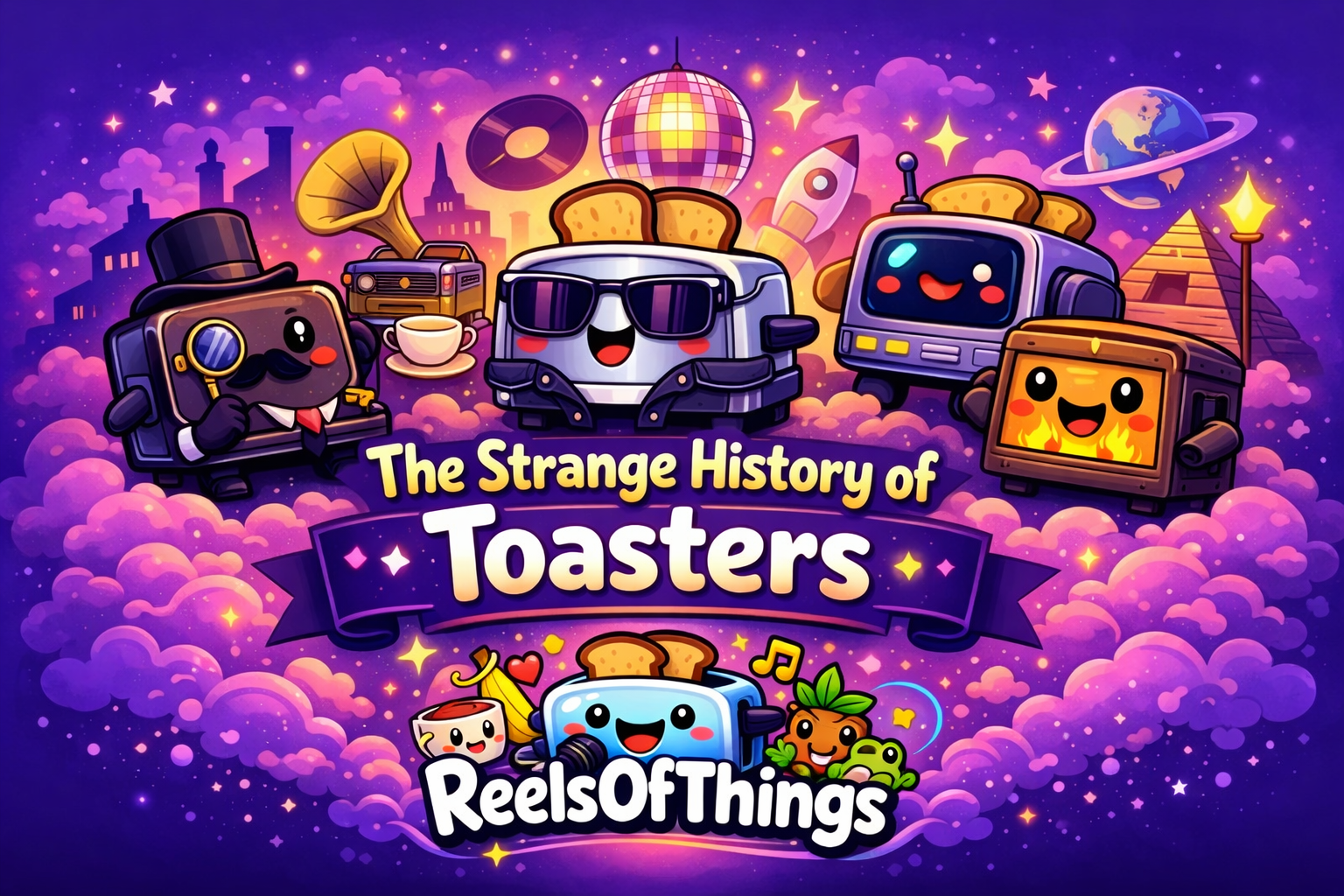
The history of toasters is actually full of strange inventions, dangerous experiments, and some surprisingly clever engineering. Long before the modern toaster popped bread up automatically, people had to toast bread in much more complicated ways.
Let’s take a look at the surprisingly interesting story behind one of the most common kitchen appliances.
Before Toasters: Toasting Bread Over Fire
Thousands of years ago, people were already toasting bread.
Ancient Romans are often credited with popularizing toasted bread. In fact, the word “toast” comes from the Latin word tostum, which means “to scorch” or “burn.”
Back then, bread was toasted by simply placing it near an open fire or holding it over hot coals using metal forks. This method worked, but it required constant attention or the bread would quickly burn.
For centuries, this was the only way people toasted bread.
The First Toasters Were Surprisingly Dangerous
The first electric toaster was invented in 1893 by a Scottish scientist named Alan MacMasters. His invention was called the Eclipse Toaster.
While it was a major breakthrough, the device had a big problem.
The heating wires used inside the toaster would often melt or catch fire because early metals couldn’t handle the heat required to toast bread safely.
Needless to say, these early toasters weren’t exactly kitchen-friendly.
A Metal That Changed Everything
The real turning point for toasters came in 1905 when a special metal alloy called nichrome was invented.
Nichrome could heat up to extremely high temperatures without melting or breaking. This made it perfect for electric heating elements.
Once nichrome was introduced, electric toasters suddenly became much more reliable and safe to use.
This single material innovation helped make modern toasters possible.
Early Toasters Required Constant Attention
Even after electric toasters improved, they still had one major inconvenience.
Early toasters could only toast one side of the bread at a time.
That meant people had to:
- Place the bread in the toaster
- Wait for one side to toast
- Flip the bread manually
- Toast the other side
If someone forgot to flip the bread, one side could easily burn.
Not exactly the effortless breakfast routine we’re used to today.
The Invention of the Pop-Up Toaster
The modern toaster design we recognize today arrived in 1921.
An inventor named Charles Strite created the first automatic pop-up toaster. His design included a timer that would shut off the heat and pop the bread up automatically when it finished toasting.
Strite originally designed this toaster for restaurants, where workers often burned toast because they were busy doing other tasks.
The invention was a huge success and quickly became popular in homes across America.
From that point on, breakfast became much easier.
Toasters Became a Kitchen Staple
By the mid-1900s, the toaster had become a standard appliance in kitchens around the world.
Manufacturers began adding improvements like:
- Adjustable browning controls
- Wider slots for thicker bread
- Crumb trays for easier cleaning
Today, toasters come in all shapes and sizes, from simple two-slice models to high-tech versions with digital settings.
But despite all these changes, the basic idea remains the same.
A simple appliance that uses heat to turn bread into toast.
A Simple Appliance With an Interesting Past
It might seem like a small thing, but the toaster is actually a perfect example of how everyday technology evolves over time.
From ancient bread toasted over fire to modern automatic pop-up machines, the toaster has gone through more innovation than most people realize.
Next time you make toast in the morning, remember that the simple appliance on your counter has over a century of engineering and experimentation behind it.
And all of it was designed for one important purpose.
Perfect toast.