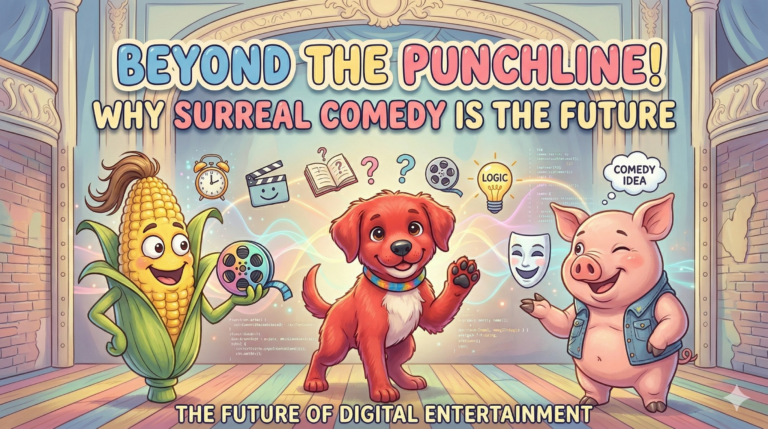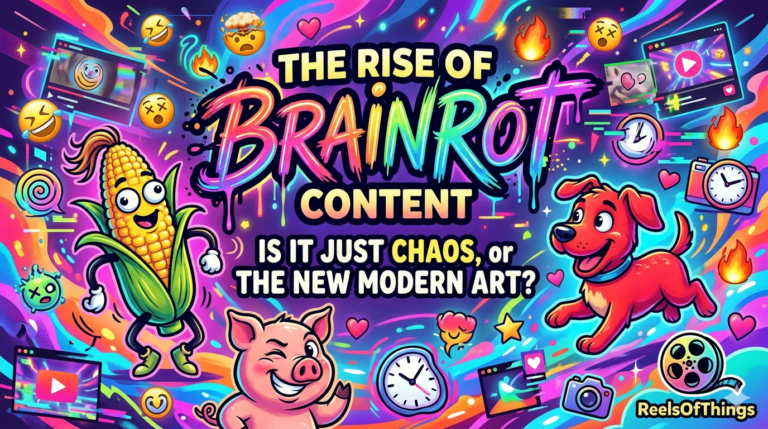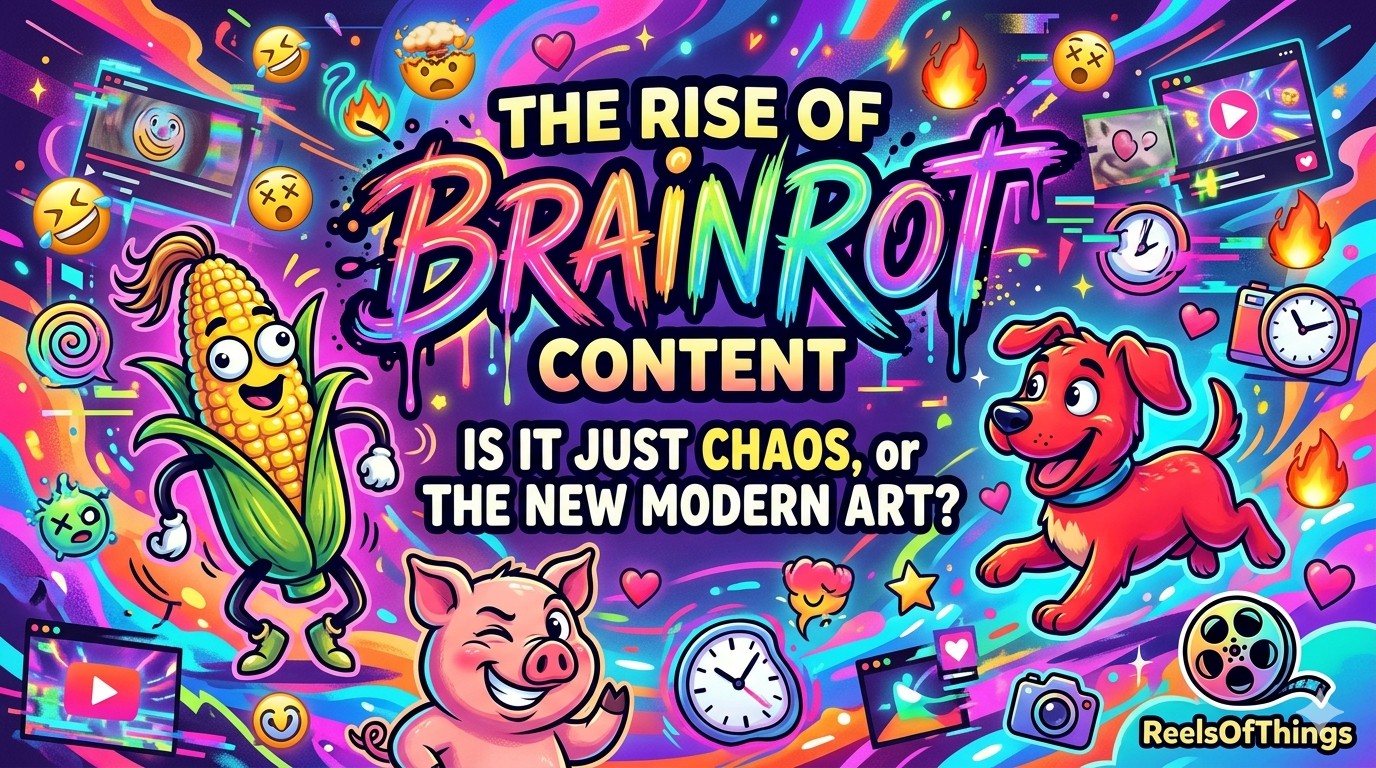
If you’ve spent more than five minutes scrolling through Reels or TikTok lately, you’ve felt it. Your eyes glaze over, your sense of logic evaporates, and suddenly you’re watching a 4K anthropomorphic ear of corn dance to a slowed-down Memphis rap beat while a red dog flips you off in the corner of the screen.
Welcome to the era of Brainrot.
While the term started as a way to describe “mindless” digital consumption, 2026 has seen a massive shift. What was once seen as low-quality “slop” is evolving into a complex, surrealist art form that creators are using to challenge the algorithm and redefine how we experience storytelling in 9:16.
What Exactly Is Brainrot Content?
In the simplest terms, Brainrot refers to hyper-stimulating, non-sensical, and often surreal short-form videos. It’s defined by:
• Hyper-Stimulation: Constant movement, layered audio, and saturated colors that demand immediate attention.
• Absurdist Humor: Scenarios that defy traditional logic but feel oddly familiar—think The Corny Show or the endless variations of the “Chill Guy” universe.
• The AI Uncanny Valley: Using generative tools to create realistic but “off” versions of the world around us.
Chaos vs. Craft: The ReelsOfThings Perspective
There is a common misconception that this style of content is just “randomness,” but there is a hidden science to the chaos. At ReelsOfThings.com, we see a clear divide between automated noise and intentional surrealism.
1. The Noise: Recycled clips and AI videos with no soul. It’s designed only to trigger a scroll-stop, leaving the viewer with nothing once the loop ends.
2. The New Art Form: This is where the magic happens. It’s taking the “Brainrot” aesthetic—the speed, the weirdness, the vibrancy—and applying high-end production value to it. When you see a character like Chicky the Dog or the cinematic atmosphere of The Wedding That Withered, you aren’t just scrolling; you’re stepping into a digital fever dream.
Why Are We Obsessed with the Absurd?
In a world of constant information, our brains have become desensitized to “standard” entertainment. We’ve seen the vlogs, the pranks, and the dances a thousand times. We need something that breaks the pattern.
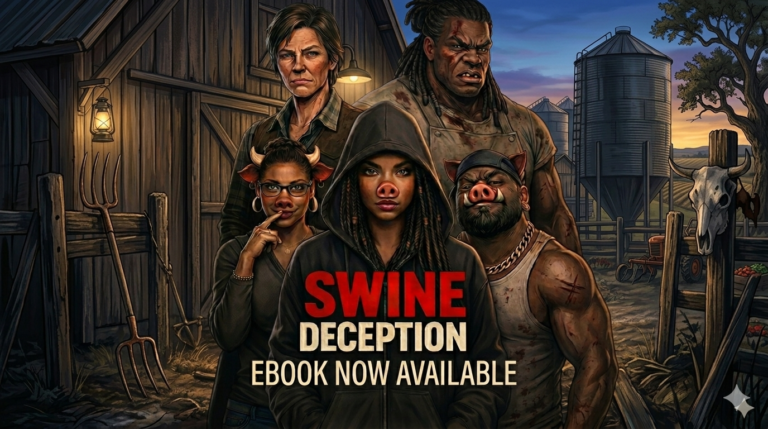
The “Brainrot” aesthetic works because it’s unpredictable. It mirrors the feeling of a dream where things shift and change without explanation. When you watch a Swine Deception trailer, you have no idea if you’re about to see a masterpiece or a nightmare. That “What did I just watch?” feeling is the strongest emotional connection a creator can make in under 60 seconds.
The Evolution of the Digital Identity
It’s more than just a laugh; it’s a new way of building worlds. Viral icons like the Red Dog Middle Finger meme show that a single surreal character can become a global cultural shorthand overnight. These characters allow us to express moods—like the “crash-out” or “zero chill” energy—that traditional media just can’t capture as quickly.
By leaning into this style, creators aren’t just making videos; they are building a collective vocabulary of the absurd.
The Verdict: Art or Trash?

Is Brainrot “rotting” our brains? Perhaps it’s just rewiring them for a faster, more imaginative world. It is the most honest reflection of current culture: fast, weird, and slightly overwhelming.
The creators who will be remembered in 2026 won’t be the ones making “normal” content. They’ll be the ones who master the chaos. Whether you’re here for the laughs or the high-art surrealism, one thing is certain: the era of the “normal” video is over.